Decide your next career move before you need to search for it.
In five sessions you get clarity on your best options, test them with real people, and decide. Then go get it.
your career coach ↘

Things are changing fast.
Marketing is shifting with AI. Staying where you are because it’s comfortable, or because moving feels scary, isn’t a plan.
“What do I really want?”
“Which of my skills still matter?”
“Should I go for the promotion, switch industries, or start on my own?”

“Where is marketing going with AI?”
“What are my real options out there?”
“Is now the right time to move?”
months, maybe years, of comfort
Comfort feeds Doubt.
…until one day, life decides for you.
Tolerating isn’t a strategy. Deciding is.
You’ve been thinking about it for months, maybe years. Don’t let comfort decide. Get clarity on your best options, and decide yourself.
A job search takes 5+ months on average for employed marketers in 2026 · CMI Career & Salary OutlookFive steps to clarity on your best options.
Clear direction for the coming years.
Perspective
We look back at your path and ahead at the life you want.
Alternatives
We identify your real options: in your company, in a new role, or on your own.
Understand
You evaluate them with real people and small experiments.
Select
We prioritize with clear criteria from what matters to you, so choosing gets easy.
Express
We turn your choice into your story and a 90-day plan.
Between sessions, you work through your Career Journal. You do the work; in the sessions we clarify and move on.
What you walk away with
Clarity on your best options, and one decision you trust.
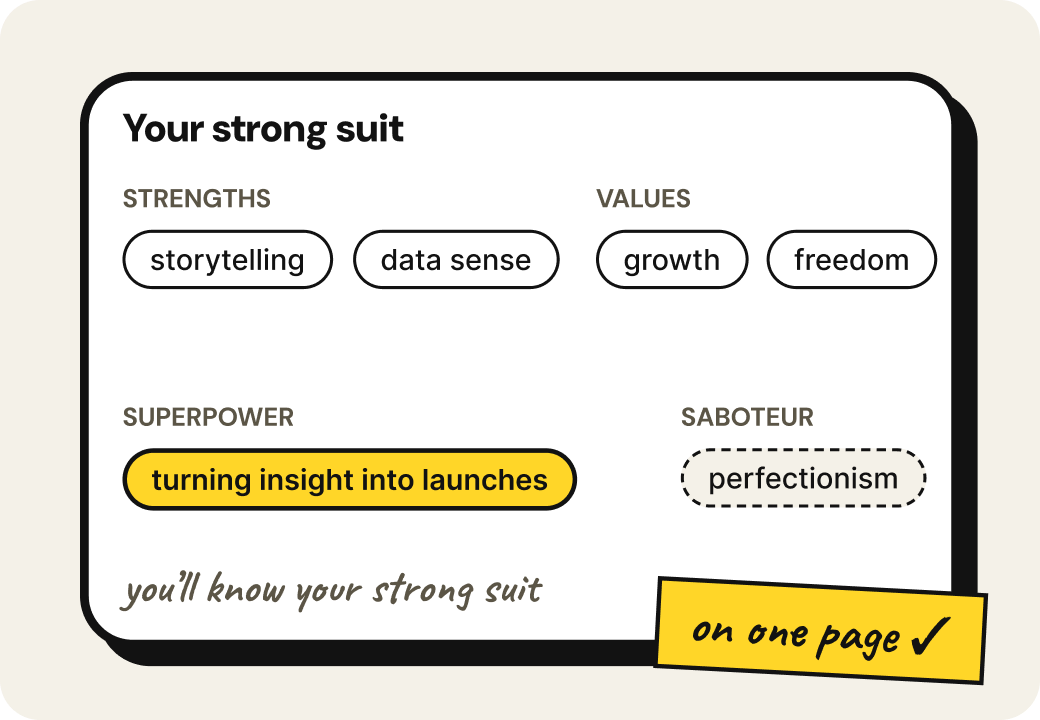
Clarity on your value
Your skills, strengths, values and superpowers, and what’s been holding you back. You’ll know your strong suit.
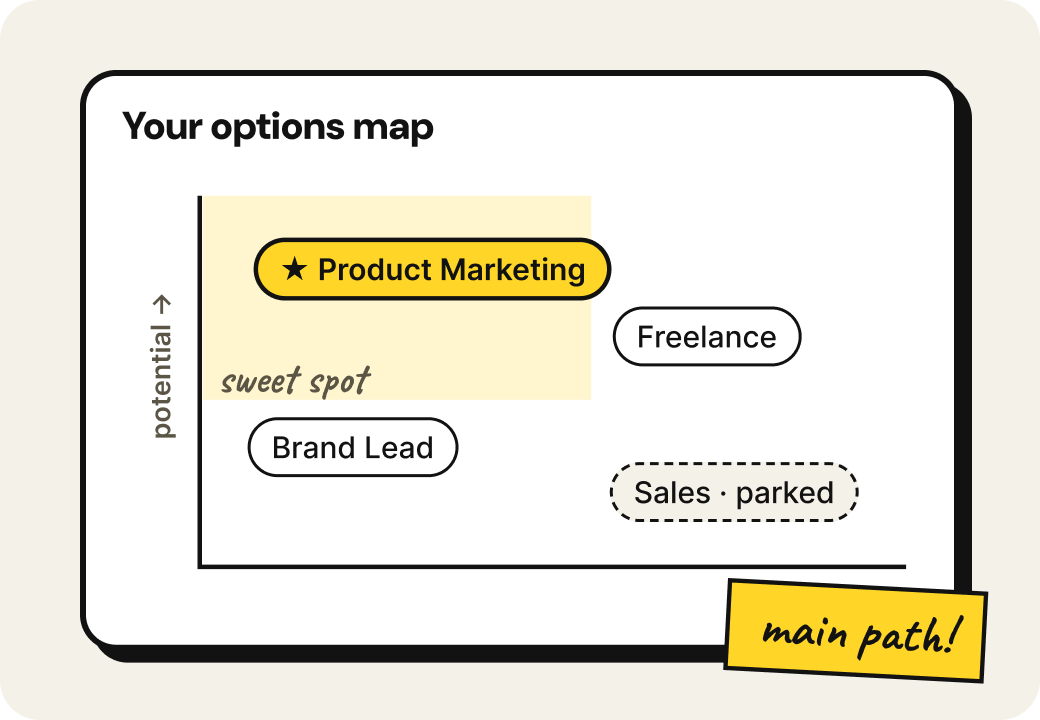
Clarity on your real alternatives
Out of your head and onto one map: every option identified and evaluated.
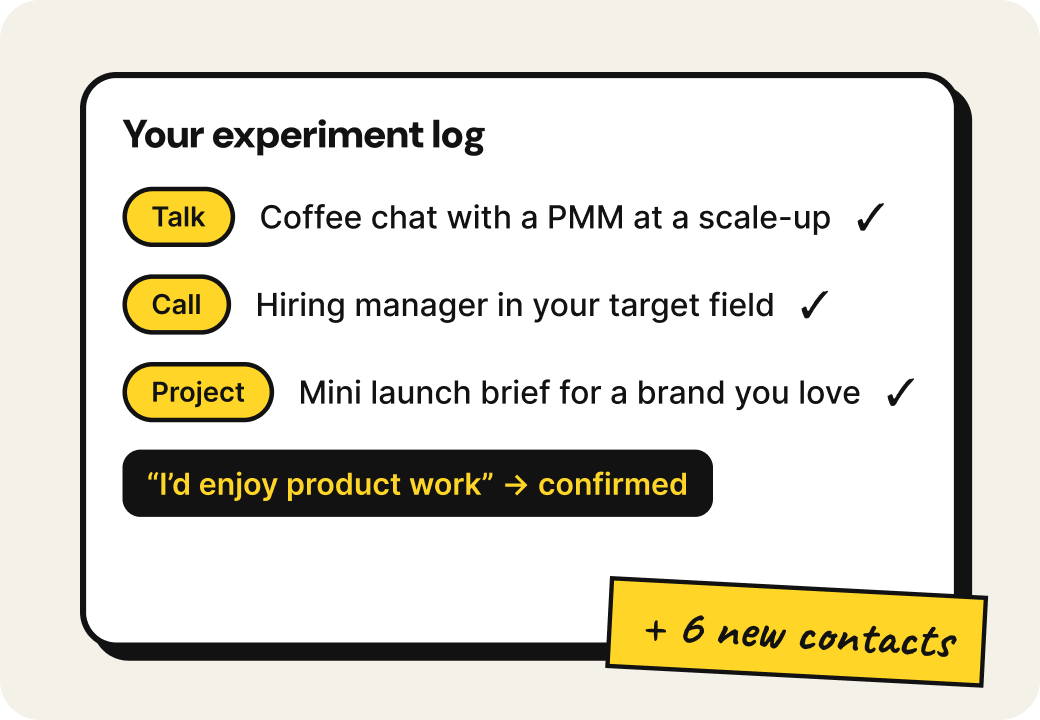
Ideas tested, and a bigger network
Real conversations and small experiments show you what the work is really like.
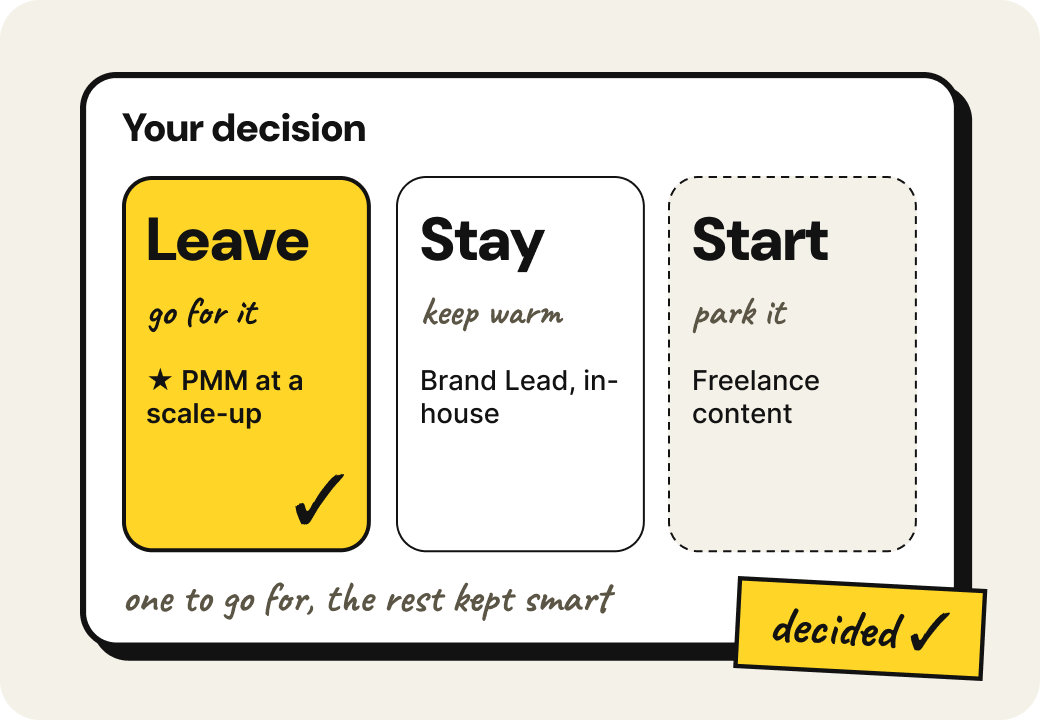
A clear decision, and a strategy for the future
You compare your options on clear criteria and decide: leave, stay or start. One to go for now, one to keep warm as plan B, and the rest parked for later.
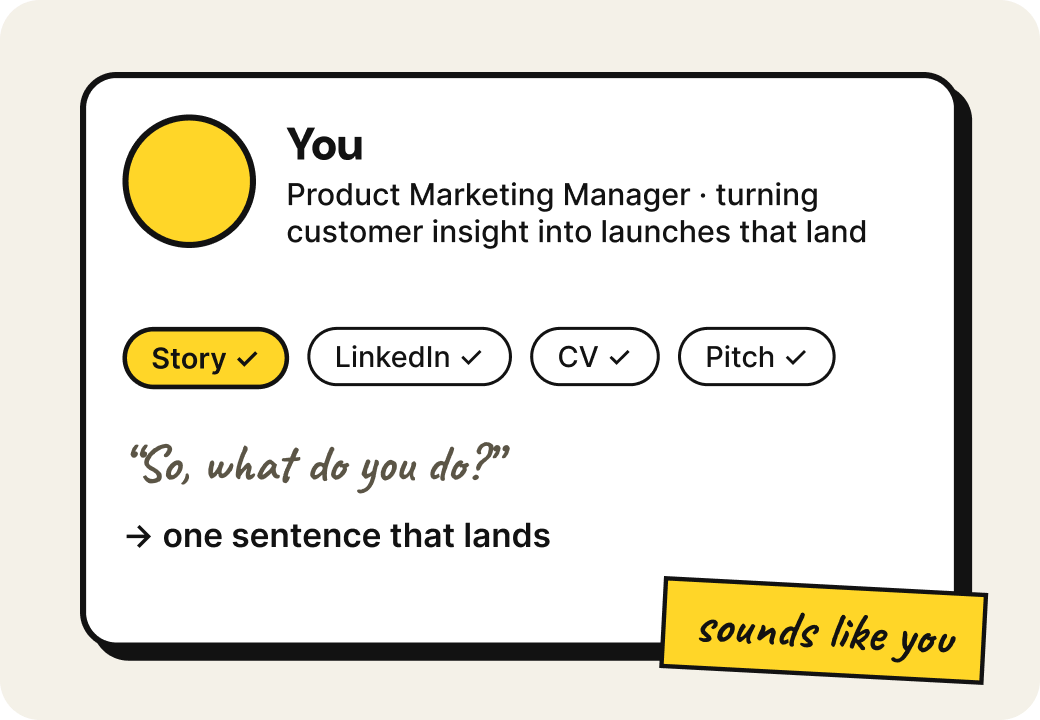
Positioning that sounds like you
Your story, LinkedIn, CV and pitch, rewritten together. It fits you, and your life.
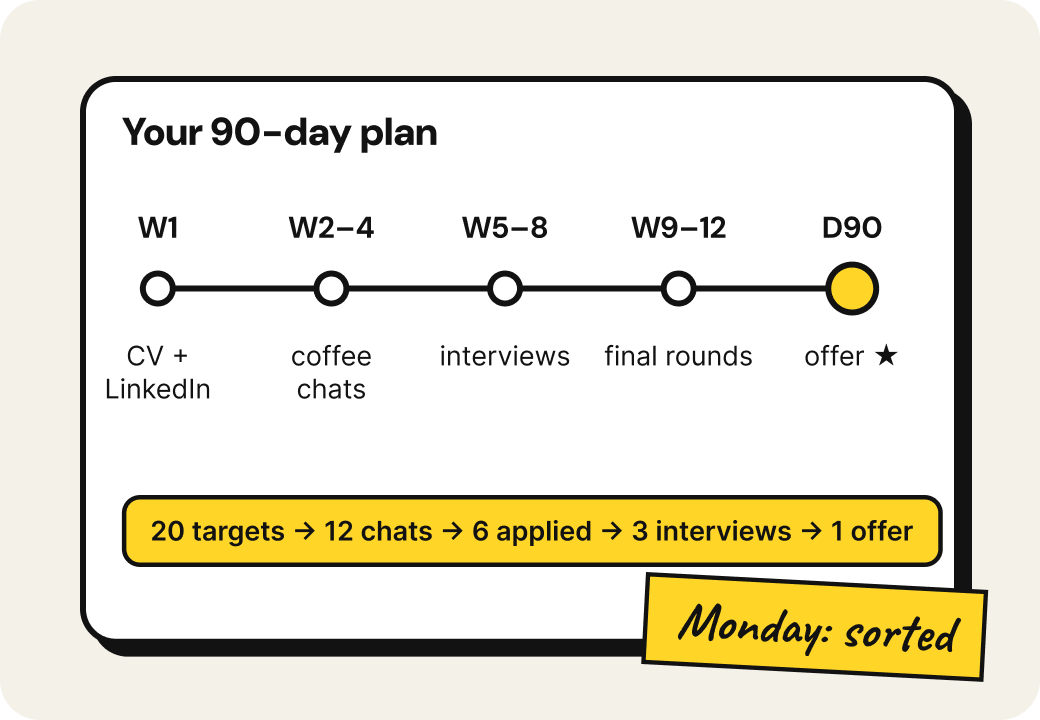
A clear plan to execute
Your next 90 days, step by step. You’ll know what to do on Monday.
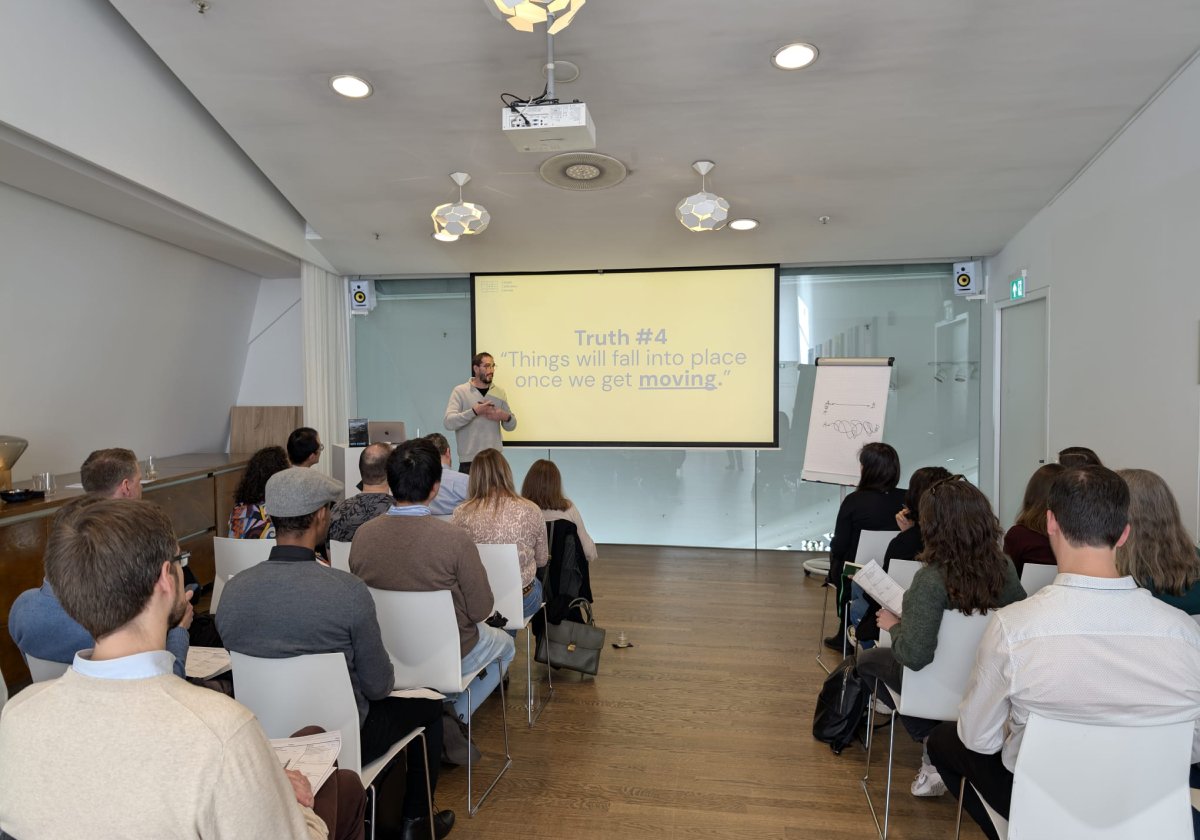
I’ve sat on the hiring side of the table.
As a SaaS marketing director I read the CVs, ran the interviews and made the hiring calls. Now I help marketers decide their next move, and position themselves like a product launch.
Read my story →Marketers who made the move
“It all started with one sentence: I would not make a career decision out of fear.”— Victoria R.
“¡He empezado a trabajar como PMM! Thank you for the support through the whole search.”— Giacomo D.
“Alvaro’s coaching helped me get to the core of what I wanted and how to act on it.”— Karin Z.
De-risk the move. Future-proof the career.
What you learn in this sprint stays with you for your whole career: a way to de-risk every move, and keep future-proofing the next one.
Not making a move, or making the wrong one
Getting it right
Clarity on your best options. A plan to make it happen.
Most help gives you more input. PAUSE™ gives you a decision.
The PAUSE™ Sprint
5 one-to-one sessions · 6–8 weeks · one decision
- 5 one-to-one sessions over 6–8 weeks
- Your Career Journal: the full programme, with exercises between sessions
- Your one-page Career Calibrator Canvas
- Real-world experiments: conversations and a small project
- One clear decision, plus a future-proof strategy: one option to go for, one to keep warm, the rest parked
- Your story, LinkedIn, CV and pitch, rewritten together
- A 90-day plan, plus a day-90 review
A one-off investment in a method you’ll use for every career move after this one.
Not for you if you need a job this month, or need time to focus on your health first.
prefer a group? the PAUSE™ Cohort is coming → join the waitlistQuestions marketers ask me
What happens on the free call?
25 minutes online. You tell me the move you’re weighing, I tell you honestly whether PAUSE is the right fit. You leave with one next step either way.
Can I start for free?
Yes. Take the 5-minute Self Check-in on your own, or join The Sunday Reset for two ideas every Sunday for a better, more thoughtful work week.
What if I don’t know what I want next?
That’s exactly who this is for. We map your options first and test small before you commit to anything.
How is this different from a course or a job search coach?
Courses assume you’ve chosen a destination, and job coaches help you land whatever’s next. PAUSE helps you choose the right move first, then position yourself for it.
How much time does it take?
Five sessions over 6–8 weeks. Between sessions, you do short exercises in your Career Journal, so each session can focus on clarifying and moving on.
What if I need a job urgently?
Then this isn’t the right fit. PAUSE is about deciding well, not job placement.
Is there a group option?
Yes: the PAUSE™ Cohort. The same method in a small online group, over 5 weeks. Join the waitlist to hear the dates and price first.
Get clarity on your best options before you search for a job.
5 sessions. One tested decision. A plan to make it real.
25 min online · no pitch · you leave with one next stepThe Sunday Reset
Two ideas every Sunday to make your work week better and more thoughtful. 3-minute read.
free · unsubscribe in one clickWhile you wait: take the free Self Check-in →